
Tree trimming is an essential task for maintaining healthy, safe, and aesthetically pleasing landscapes. However, understanding the tree trimming cost per tree can be a thorny issue for homeowners and property managers. The price varies widely based on factors like tree size, species, accessibility, and the complexity of the work, making it a challenge to budget accurately. This article serves as your practical guide to navigating the tree trimming cost landscape. We'll explore professional pricing models, legal and safety considerations, and best practices to ensure you're informed and prepared for any tree care needs. By the end, you'll have the knowledge to make informed decisions and protect your investment in tree care.
- Understanding Factors That Impact Tree Trimming Cost
- Tree Trimming vs. Removal: Cost Differences Explained
- Getting Accurate Tree Trimming Cost Estimates
- When to Call Professionals for Tree Trimming Services
Understanding Factors That Impact Tree Trimming Cost

Tree trimming cost isn't a one-size-fits-all figure. Several factors, both visible and subtle, influence the final price. Consider these key elements when budgeting for tree care:
The size and species of the tree are primary determiners. Larger trees require more time and labor, while certain species, like maple or oak, can be more challenging to trim due to their structure, leading to higher costs. A tall, densely packed oak tree will necessitate specialized equipment and experienced arborists, driving up the price compared to a smaller, thinner maple. Similarly, trees with unique or protected locations on your property might incur additional fees due to the complexity of access.
Location plays a significant role. Local labor laws and arborist rates vary by region, directly affecting tree trimming cost. A tree service in a major urban area may charge higher rates than a service in a smaller, suburban town. Local competition can also influence prices; areas with fewer tree care providers might see higher costs due to increased demand.
The scope of work is crucial. Simple, routine trimming is less expensive than complex jobs involving storm damage cleanup, dead wood removal, or formosan termite treatment. Tree removal and stump grinding services, while necessary in some cases, come at a premium compared to basic pruning. debris removal after a storm or severe trimming can add to the overall cost, as these services require disposal of a larger volume of material.
Homeowner vs. Commercial Property is another distinction. Commercial tree trimming often involves larger trees and more extensive landscapes, leading to higher costs. commercial properties may have stricter regulations and safety considerations, necessitating more thorough planning and adherence to guidelines, which can increase service fees.
Regular maintenance pays off. Preventive care, like annual pruning, can keep trees healthy, reducing the need for extensive, costly removal or repair later. An arborist recommended tree maintenance plan, tailored to your property and local conditions, can be a cost-effective strategy in the long term.
Tree Trimming vs. Removal: Cost Differences Explained
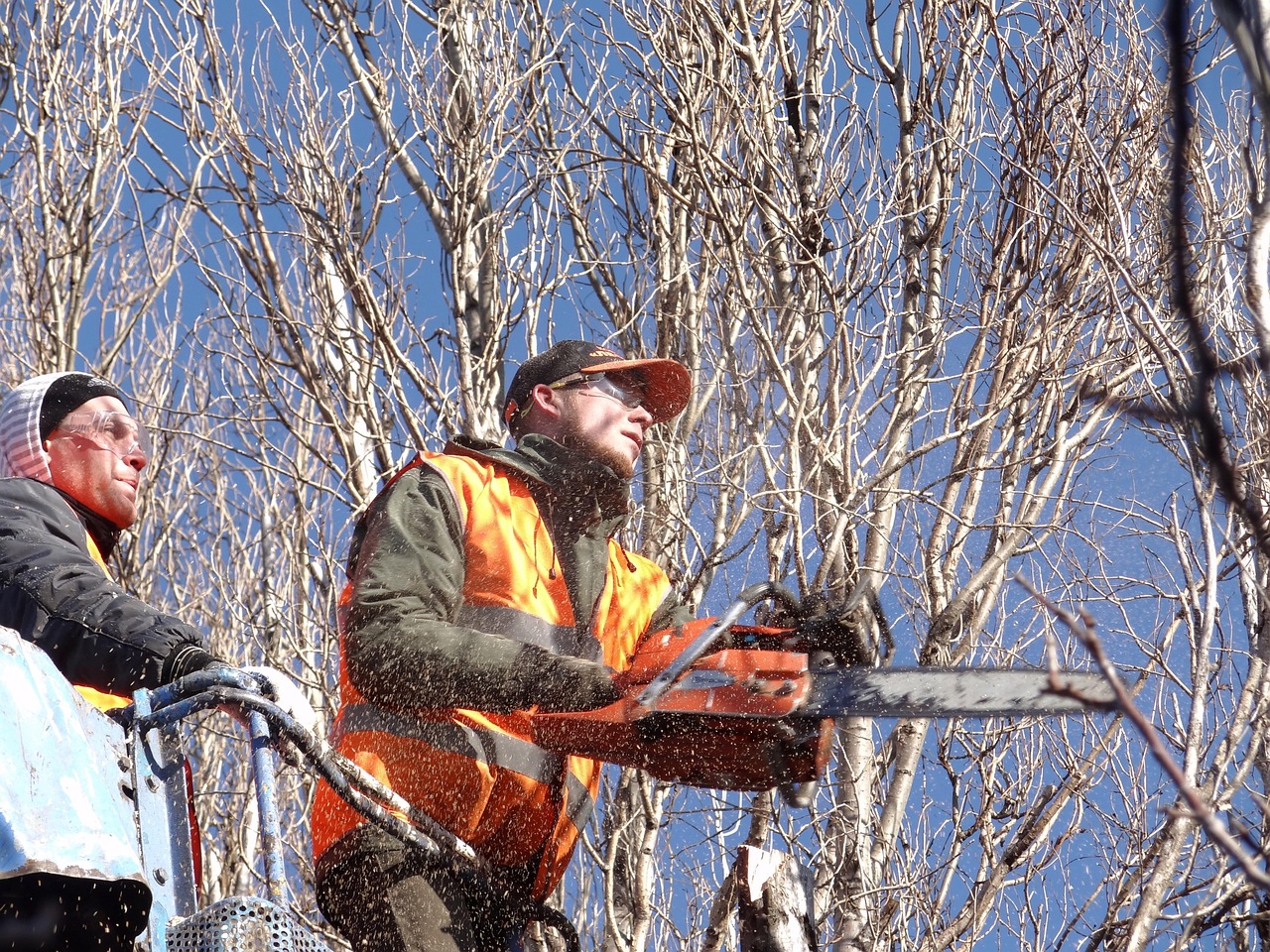
When faced with tree care decisions, understanding the financial implications of trimming versus removal is crucial. The cost of tree trimming and removal varies widely based on factors like the tree's size, species, location, and the complexity of the work. A simple trim to shape a tree might cost as little as $100, while removing a large, diseased, or damaged tree can run into the thousands.
Tree trimming focuses on maintaining or improving a tree's health and aesthetics. This includes removing dead or diseased branches, shaping the tree for better growth, and preventing potential hazards. Professional tree services will provide a detailed estimate based on your specific needs, utilizing tools like HomeAdvisor and Angie's List to compare local prices.
Removal, on the other hand, involves felling the entire tree and disposing of the stump and debris. This is typically more expensive due to the increased labor and equipment requirements. A simple tree removal might cost around $250 to $500 for a small tree, while larger or more complex removals can exceed $1,000. Removing a large, mature tree near power lines or a structure necessitates specialized equipment and safety precautions, driving up the price.
Before deciding between trimming and removal, consider these key factors:
- Tree Health: A diseased or damaged tree may be a candidate for removal to prevent the spread of issues to other trees.
- Safety: Fallen trees pose a serious risk to homes, power lines, and people. In these cases, prompt removal is crucial.
- Budget: Trimming is generally more cost-effective for routine care and maintenance.
Remember, always consult with a certified arborist from a reputable tree care company. They can provide a thorough assessment, accurate cost estimates, and expert advice tailored to your specific situation. Visit us at [tree trimming cost estimate average tree trimming price how much does tree trimming cost?] for more information and to get started with your tree care needs.
Getting Accurate Tree Trimming Cost Estimates

Determining the right tree trimming cost is crucial for any homeowner or property manager. Knowing what to expect financially helps you plan your budget, prioritize tree care, and avoid unexpected expenses. While "tree trimming cost" can vary greatly depending on factors like tree size, species, location, and access, understanding the key drivers of pricing empowers you to get a fair and accurate estimate.
One of the best ways to begin is by comparing local tree trimming prices. Websites like HomeAdvisor and Angie's List offer valuable resources for researching average tree trimming costs in your area. Keep in mind these are just ranges, as actual prices can fluctuate based on the factors mentioned. A small, healthy oak tree in a suburban neighborhood might cost $150-$250 to trim, while a large, mature maple tree in an urban setting could run $300-$500 or more due to accessibility challenges. The Tree Care Industry Association (TCIA) recommends seeking professionals with certified arborists on staff to ensure safe and effective tree trimming practices.
Beyond the basic cost, understanding the tree trimming cost estimate process itself is key. A reputable tree service should provide a detailed breakdown of costs, including labor, equipment, and disposal of trimmings. They may also offer additional services like storm damage cleanup, tree removal, or stump grinding, each with its own associated costs. When comparing estimates, be sure to ask about:
- Methodology: How does the company determine pricing? Do they charge by the hour or by the tree?
- Experience: What is their experience level trimming trees of this size and type?
- Warranty: Do they stand behind their work with any guarantees?
- References: Can they provide contact information for previous customers?
Local building departments, environmental agencies, and insurance companies also have regulations and guidelines related to tree trimming. Some areas may have restrictions on the height at which branches can be cut back, or require permits for certain types of tree removal, especially near power lines. It's important to check with these entities to ensure compliance and avoid potential fines or disruptions.
When to Call Professionals for Tree Trimming Services
Not all tree trimming projects require professional help, but some tasks are best left to certified arborists and experienced tree care specialists. Knowing when to call professionals is crucial for ensuring your trees remain healthy and your property stays safe. Tree trimming cost can vary widely, from minimal for minor pruning to substantial for complex jobs involving large trees and specialized equipment.
While some homeowners may be comfortable tackling minor trimming and pruning, there are several scenarios where professional assistance is highly recommended. If you have a formosan termite problem or your trees are near power lines, calling a professional arborist is essential. These situations often require specialized knowledge and equipment to mitigate potential risks and damage. When dealing with storm damage, fallen trees, or trees that have sustained significant injury, expert assessment and safe removal are critical to prevent further complications.
Local arborist cost guides and industry associations like the International Society of Arboriculture (ISA) and Tree Care Industry Association (TCIA) can provide valuable insights into average tree trimming prices and the services offered by professionals. These resources can help you budget for tree maintenance, compare tree service pricing, and understand the value of professional care. Remember, while some tasks may be within a DIYer's comfort level, complex tree care often requires specialized skills and equipment, making professional intervention the safer, more effective choice.
Consider the average tree removal cost in your area, which can range from hundreds to thousands of dollars, depending on the tree's size, accessibility, and the level of danger involved. Unlike minor trimming, tree removal requires careful planning, appropriate personal protective equipment, and often, specialized machinery. To ensure your safety and the protection of your property, it's generally best to leave these tasks to licensed professionals.
Frequently Asked Questions About Tree Trimming Cost Per Tree What You Need to Know
What is the average cost of tree trimming per tree?
While the cost of tree trimming per tree can vary widely depending on several factors-including the tree's size, species, location, and the complexity of the work-you can generally expect to pay between $75 and $300 per tree. A small, healthy tree in a residential area might cost around $100 to trim, while a large, complex tree in a commercial setting could run up to $300 or more.
How do I get an accurate estimate for tree trimming costs?
To get an accurate estimate, contact several local tree care services and request quotes. Provide them with details like the tree's species, height, and any specific trimming requirements. Be sure to get quotes in writing so you can compare them directly. Keep in mind that estimates may change once the work is assessed on-site.
What should I consider when choosing a tree trimming service?
When selecting a tree trimming service, consider their reputation, experience, and insurance coverage. Check online reviews, ask for references, and verify their licensing and bonding. Ensure they employ certified arborists who are trained in safe and effective tree care practices. Also, confirm that they offer guarantees for their work.
When is the best time of year to trim trees?
The best time to trim trees depends on the species. Generally, the late winter or early spring dormant period is ideal for most trees, as they are less prone to stress during this time. However, some trees, like maples and elms, are best trimmed in late summer to prevent bleeding sap. Always consult with a local arborist for recommendations specific to your area and tree types.
Are there any regulations or permits required for tree trimming?
In many areas, yes. Before trimming or removing a tree, check with your local government or municipality to see if a permit is required. Some cities have specific regulations regarding tree trimming, especially for trees along streets or in protected areas. Failure to comply can result in fines.
Understanding the factors that impact tree trimming cost is crucial for any homeowner or property manager. By considering the complexity of each tree and the level of service required, you can better prepare for the associated expenses. Comparing tree trimming vs. Removal costs, as well as obtaining accurate estimates, allows for informed decision-making. Recognizing when to call professionals for tree trimming services ensures that your trees receive the care they need, while also protecting your property and community.
Key takeaways include:
- Cost Factors: Size, species, and health of the tree, as well as access and location, significantly influence the tree trimming cost.
- Professional vs. DIY: Professional tree services, though more expensive, offer specialized knowledge and equipment, ensuring safer and more effective tree care.
- Accurate Estimates: Utilizing resources like HomeAdvisor or Angie's List, and consulting with local arborists, can provide reliable tree trimming cost estimates tailored to your needs.
- Legal and Safety: Always check local building departments and environmental agencies, and consider the potential impact on nearby structures and power lines.
Moving forward, whether you decide to trim your trees yourself or hire a professional, being informed about the costs and considerations involved will help ensure a healthy and safe environment for your property and community.
Understanding Tree Trimming Cost Factors:
- Size and species of trees, location, scope of work, property type (residential vs. Commercial), and regular maintenance significantly impact tree trimming cost.
Tree Trimming vs. Removal:
- Trimming focuses on aesthetics and tree health, costing $75-$300 per tree, while removal involves felling and disposal, costing $250-$1,000+ based on tree size and complexity.
Getting Accurate Estimates:
- Compare local tree trimming prices from certified arborists. Websites like HomeAdvisor and Angie's List help gauge averages.
- Detailed estimates should include labor, equipment, and disposal costs for additional services like storm cleanup or stump grinding.
When to Call Professionals:
- Complex tasks like termite treatment, storm damage cleanup, or tree removal near power lines require professional arborists for safety and expertise.
- Local arborist cost guides and industry associations offer insights into professional tree care pricing and services.